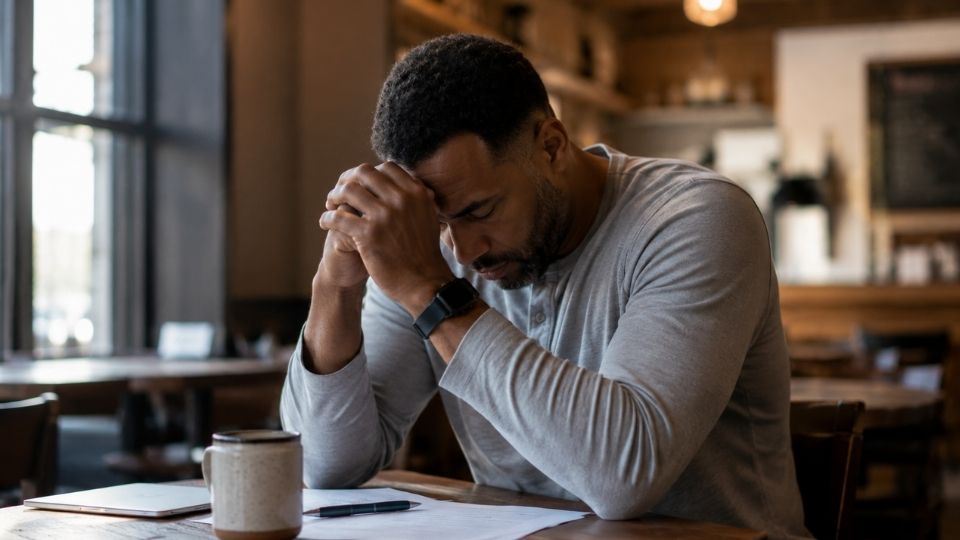
Alcohol and anxiety are closely linked, and the relationship runs in both directions. Many people drink to calm anxiety, and in the short term, alcohol can feel relaxing. Over time, though, drinking tends to make anxiety worse, which can lead to more drinking, creating a cycle that is hard to break. This chapter of our guide to alcohol addiction explains how alcohol and anxiety feed each other, what “hangxiety” is, and how treating both together helps. If this pattern sounds familiar, Northwoods Haven offers outpatient alcohol treatment in Minnesota for adults across the Twin Cities.
The Two-Way Connection Between Alcohol and Anxiety
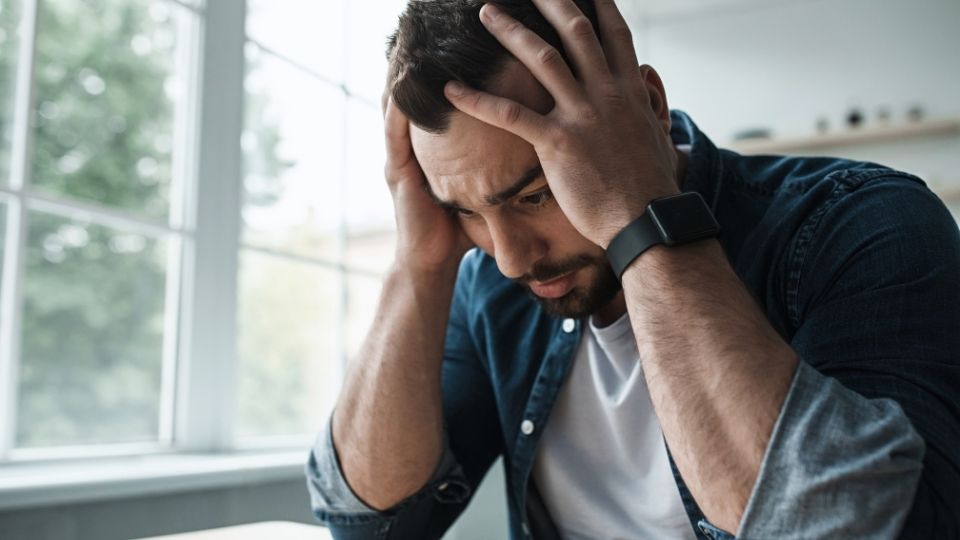
The connection between alcohol and anxiety is bidirectional, meaning each one can drive the other [1]. Anxiety can lead a person to drink for relief, and drinking can, in turn, increase anxiety. According to the National Institute on Alcohol Abuse and Alcoholism, alcohol may appear to relieve anxiety in the short term, but over time heavy drinking and repeated withdrawal can escalate both anxiety symptoms and unhealthy drinking.
| Alcohol’s effect on anxiety | What happens |
|---|---|
| In the short term | Alcohol can feel calming or relaxing, which is why people reach for it |
| A few hours later | Rebound anxiety can set in as blood alcohol falls, leaving a person jittery and on edge |
| Over time | Repeated drinking and withdrawal can escalate both anxiety and drinking together |
Why People Drink to Cope With Anxiety
Because alcohol is readily available and can dull uncomfortable feelings, it is commonly used to cope with anxiety. This is often called self-medication: using alcohol to manage anxiety symptoms rather than treating the anxiety directly. The relief is real but short-lived, and it comes at a cost. Each time alcohol becomes the tool for managing stress or worry, the habit strengthens, and the underlying anxiety goes unaddressed.
This is one reason drinking to cope is a warning sign worth taking seriously, whether or not a person would consider themselves a heavy drinker.
Alcohol and Social Anxiety
Social anxiety and alcohol are an especially common pairing. Many people with social anxiety drink to feel more comfortable at parties, dates, or work events, which can turn into relying on alcohol to get through any social situation. Over time, using alcohol this way can deepen both the social anxiety and the drinking, and for some people it is an early step toward alcohol addiction. If you notice you cannot feel at ease socially without a drink, that is a meaningful signal.
How Alcohol Makes Anxiety Worse
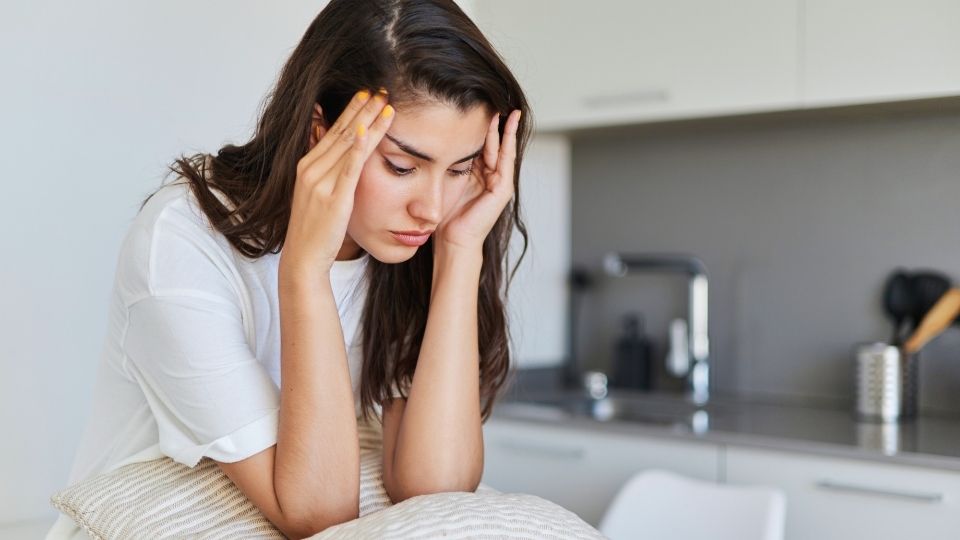
Alcohol changes the balance of chemicals in the brain and body. When drinking stops and blood alcohol falls, the brain can rebound into a more anxious state. NIAAA notes that anxiety-like symptoms can occur after even a single heavy drinking episode, and can build between drinking episodes. For someone who drinks regularly, this can mean living in a near-constant state of low-grade anxiety that is actually driven by the alcohol. Heavy drinking can also worsen depression, which often occurs alongside anxiety, so a person may feel their overall mental health slipping even as they drink to feel better.
What Is Hangxiety?
“Hangxiety” is the informal name for the anxiety many people feel the morning after drinking. As the calming effects of alcohol wear off, the nervous system can swing in the opposite direction, producing feelings of unease, dread, or worry. It is a common, temporary experience for many drinkers, and it is a clear example of how alcohol can worsen the very feeling people drink to escape.
Alcohol Use Disorder and Anxiety Disorders
Anxiety disorders and alcohol use disorder frequently occur together. NIAAA reports that the prevalence of AUD among people treated for anxiety disorders ranges from 20% to 40% [1]. When two conditions occur together like this, they are described as co-occurring, or as a dual diagnosis.
This overlap matters because each condition can make the other harder to treat if only one is addressed. Someone who gets help for anxiety but keeps drinking heavily, or who stops drinking without support for their anxiety, may struggle to make lasting progress. That is why dual diagnosis treatment that addresses both together is so important.
Breaking the Cycle: How Treatment Helps
The good news is that the alcohol-anxiety cycle can be broken, and treating both conditions together works best. NIAAA notes that integrated treatment of AUD and co-occurring psychiatric conditions tends to lead to better results than treating them separately. Effective care often combines behavioral therapies such as CBT and DBT, which help with both drinking and anxiety, with support for overall mental health.
One important safety note. If you have been drinking heavily for a prolonged period, are physically dependent on alcohol, or have gone through withdrawal before, do not stop suddenly on your own. Anxiety can be part of alcohol withdrawal, which can become dangerous for people with those risk factors, so talk with a medical professional first, as covered in our chapter on delirium tremens.
A comprehensive drug and alcohol assessment can help clarify what is driving what, and Northwoods Haven provides outpatient care, including an intensive outpatient program, that can address drinking and mental health together.
Healthier Ways to Manage Anxiety
Replacing alcohol as a coping tool is a key part of recovery. Approaches that help many people include regular exercise, good sleep, mindfulness or breathing practices, connecting with supportive people, and working with a therapist on anxiety directly. If you are also trying to cut back on drinking, our chapter on how much alcohol is too much offers useful benchmarks, and understanding high-functioning alcoholism can help if your drinking has stayed hidden behind a busy life.
Frequently Asked Questions
Does alcohol cause anxiety?
Alcohol can worsen and help trigger anxiety, especially with heavy or repeated drinking. As blood alcohol falls, the brain can rebound into a more anxious state, and over time drinking can escalate anxiety symptoms [1].
What is hangxiety?
Hangxiety is the anxiety some people feel the day after drinking, as the calming effects of alcohol wear off and the nervous system rebounds. It is temporary but can be intense.
Can alcohol cause panic attacks?
For some people, alcohol and the rebound that follows can trigger panic-like symptoms, particularly in those already prone to anxiety. If drinking is followed by panic or intense anxiety, that is worth discussing with a professional.
Does quitting alcohol reduce anxiety?
For many people, reducing or stopping alcohol lowers anxiety over time, because it ends the cycle of rebound anxiety. In people who are dependent, though, stopping should be done with medical guidance, since anxiety can be part of withdrawal [1].
Sources
- National Institute on Alcohol Abuse and Alcoholism (NIAAA), Mental Health Issues: Alcohol Use Disorder and Common Co-occurring Conditions: https://www.niaaa.nih.gov/health-professionals-communities/core-resource-on-alcohol/mental-health-issues-alcohol-use-disorder-and-common-co-occurring-conditions