

Chemical use assessments · Hopkins, Minnesota
Chemical Use Assessments in Minneapolis, Minnesota
A comprehensive drug and alcohol assessment by a licensed counselor: the first step for everyone who comes to us, and the one that decides what kind of help actually fits.
Northwoods Haven Recovery provides chemical use assessments for adults in Minneapolis, Hopkins, and across the Twin Cities. It is where everyone starts with us, whether you are worried about your own drinking or drug use, a family member asked you to get evaluated, or a court, employer, or attorney has requested one.
One conversation with a licensed alcohol and drug counselor, a clear picture of what is going on, and a recommendation you can use. If outpatient treatment fits, you can begin here. If it does not, we tell you that too.
How long
About 60 to 90 minutes, one appointment
Who does it
A licensed alcohol and drug counselor (LADC)
What it decides
Diagnosis, severity, and the level of care that fits
Where it leads
Programming right after intake, if treatment fits
What it is
One appointment that sets the direction
A chemical use assessment, also called a comprehensive assessment or a drug and alcohol assessment, is a structured clinical interview with a licensed alcohol and drug counselor. In Minnesota it is the standard starting point for substance use treatment, and it replaced what many people still know as the Rule 25 assessment. The counselor asks what you use, how much and how often, what happens when you stop, how it affects your health, work, relationships, and mood, and what you want to change.
From that conversation the counselor determines whether a substance use disorder is present, how severe it is, and which level of care fits: outpatient treatment here, a higher level of care somewhere else, or no treatment at all. Nobody is placed in a program before the assessment is finished, and nobody is talked into more than the evaluation supports.
What the assessment covers
- Your history with alcohol and other drugs, including what you use now
- Tolerance, withdrawal, and past attempts to cut down or stop
- Screening for co-occurring conditions such as depression, anxiety, trauma, bipolar disorder, and ADHD
- Medical concerns and any medication a provider prescribes for you
- Work, housing, family, legal matters, and the support you have around you
- A written summary with a diagnosis, if one applies, and a recommended level of care
What to bring: your insurance card, and any paperwork from a court, employer, or attorney if someone has asked for the assessment. If a medical provider prescribes medication for you, including buprenorphine, methadone, naltrexone, or psychiatric medication, tell us during the assessment so your plan accounts for it.
How it works
Three steps from the first call to a plan
Most people have never been through an assessment before, so here is what to expect.
01
You call and we listen
Tell us what is going on in your own words. We verify your insurance benefits on that first call, answer questions about the assessment itself, and set up a time for you to come in.
02
You meet with a counselor
A private, structured interview with a licensed alcohol and drug counselor, usually 60 to 90 minutes. Standardized screening tools alongside plain conversation, including a look at mental health, medical concerns, and what is happening at home and at work.
03
You get a recommendation you understand
The counselor explains what the assessment found, which level of care fits and why, and what treatment here would look like. If we are the right fit, programming starts right after intake. If a higher level of care is needed first, we help you find it and welcome you back after.
Already have an assessment?
A recent assessment from another provider can often be sent to us instead of repeated.
If you completed a chemical use assessment recently, ask that provider to release it to us in writing. We review it, confirm the recommendation still fits where you are today, and move you toward intake without starting from zero.
Want the full picture first? How admissions works
Why here
An assessment is only as useful as what comes after it
Plenty of places will evaluate you. Fewer will tell you the truth about what you need and then be ready to provide it.
A licensed counselor, not a questionnaire
Standardized tools are part of it, but the assessment is a conversation with a clinician who is trained to hear what a form misses.
Mental health is part of the conversation
Depression, anxiety, trauma, bipolar disorder, and ADHD are screened for during the assessment, because they shape the plan.
Honest about the level of care
If you need detox or a higher level of care before outpatient treatment, we say so and help you find it. We recommend only what the evaluation supports.
Court, employer, and family requests handled
Whoever asked for the assessment, you get a clear written recommendation, released only where you authorize it.
Insurance verified on the first call
In-network with Minnesota Medicaid, Blue Cross Blue Shield, HealthPartners, UnitedHealthcare, and Medica. You know where you stand before you come in.
Nothing gets handed off
If you begin treatment here, your plan is built from what you already shared. You do not repeat your story to a stranger in week one.
Being honest in the room
The assessment is only as accurate as you are
Almost everyone underestimates their use a little when a clinician asks. It is a natural instinct, and it works against you. A recommendation built on half the story matches half the problem, and treatment that is too light for what is really happening tends to fail quietly a few months in.
Your counselor is not grading you, reporting you, or deciding whether you are a good person. The question in the room is simple: what is actually going on, and what would help. Answer that honestly and the plan you leave with will be one that fits.
- Your counselor is a licensed clinician whose job is an accurate picture, not a judgment
- What you say is confidential and released only where you authorize it in writing
- Medication a provider prescribes, past treatment, and mental health history all belong in the conversation
After the assessment
If treatment fits, it starts here
The assessment ends with a recommendation and a plan. When outpatient treatment is the right fit, intake follows and programming begins right after, on a schedule built around work and family. Every caller leaves with resources, whatever the recommendation turns out to be.
Intensive Outpatient Program (IOP)
Three-hour groups most programming days, individual counseling with your own LADC, and co-occurring mental health care. About two to four months.
Relapse Prevention Program
Ten to twelve weeks of low-intensity outpatient care with the same counselors once IOP is complete, with a written relapse prevention plan.
Conditions we treat
Alcohol, opioids, methamphetamine, cocaine, benzodiazepines, marijuana, prescription drugs, and more, all assessed the same way.
Co-occurring mental health care
Trauma and PTSD, depression, anxiety, bipolar disorder, and ADHD, treated alongside substance use from the first week.
Assessments and services
Assessments and services that get you into the right care
Everything begins with an assessment. These are the services around our two levels of outpatient care.
The hour that turns a worry into a diagnosis and a level of care. Where everyone starts.
A clinical evaluation for Minnesota DWI court, probation, and licensing requirements, with written documentation.
Individual counseling with your own licensed alcohol and drug counselor, inside every level of care here.
Therapies
Evidence-based therapies we use, taught as options
Seven approaches, one plan built with you. Your counselor teaches you what each one does and you decide what belongs in your recovery lifestyle.
Catch the thought that comes before the drink or the drug, test it, and practice a different move before Friday.
Skills for intense emotion, urges, and relationships: mindfulness, distress tolerance, emotion regulation, interpersonal effectiveness.
Make room for the craving or the feeling without acting on it, and build a life around what you value.
Find your own reasons to change, at your own pace. Includes motivational enhancement therapy, the structured short form.
The same people each session, so accountability is real. Where most of the traction in outpatient treatment comes from.
Every group and session run on predictability, choice, and safety, because most people carry something older than the substance.
Mental health, relationships, work, and purpose treated as one picture, with a recovery lifestyle you define.
You do not choose a therapy from a menu. Your counselor teaches you all of them as options and the plan uses what works for you.
Paying for treatment
Insurance-covered addiction treatment that's accessible to anyone who wants it.
Medicaid was the first network we joined, on purpose. We’re also in-network with major commercial plans. We’ll verify your benefits and tell you plainly what your plan covers before you commit to anything.
Minnesota Medicaid
Blue Cross Blue Shield
HealthPartners
UnitedHealthcare
Medica
Hennepin Health
Private pay accepted
Not listed? Call and we'll check.
Common questions
Questions about chemical use assessments
If someone else asked you to get assessed, confirm any paperwork requirements with them. We can explain how the assessment itself works.

LegitScript Certified
Verified addiction treatment provider
What is a chemical use assessment?
It is a comprehensive clinical evaluation of your alcohol and drug use by a licensed alcohol and drug counselor. It determines whether a substance use disorder is present, how severe it is, and which level of care fits. It is the first step for everyone who begins treatment at Northwoods Haven Recovery.
Is a chemical use assessment the same as a Rule 25 assessment?
Essentially, yes. Rule 25 was the older name for Minnesota’s chemical dependency assessment process. It has since been replaced by the comprehensive assessment, which is what we provide. If someone told you to get a Rule 25, this is the appointment they mean.
How long does the assessment take?
Usually 60 to 90 minutes in a single appointment. It can run longer if your history is complicated or shorter if it is straightforward. The written recommendation follows from that one visit.
Do I need an assessment before starting treatment?
Yes. Everyone who enters the Intensive Outpatient Program or the Relapse Prevention Program starts with a chemical use assessment. It is how the counselor confirms that outpatient care is the right level and builds a plan that fits you rather than a template.
What if I already had an assessment somewhere else?
A recent assessment from another provider can often be used instead of repeating one. Ask that provider to release it to us in writing. We review it, confirm the recommendation still applies, and move toward intake from there.
Can a family member set this up for me?
A family member can make the first call, ask every question they have, and help arrange the appointment. About half of our calls come from families. The assessment itself requires the adult being assessed to take part and consent, but you do not have to start the process alone.
Does insurance cover a chemical use assessment?
We are in-network with Minnesota Medicaid, Blue Cross Blue Shield, HealthPartners, UnitedHealthcare, and Medica, and we verify your benefits on the first call. Give us your plan details and we tell you plainly what your coverage looks like before you come in.
What if the assessment says I do not need treatment?
Then that is what we tell you. Some assessments find no substance use disorder, or a level of concern that calls for education or monitoring rather than a program. You still leave with a clear written recommendation and resources that fit your situation.
Related articles
Related reading on recognizing a problem and choosing care



Your team
Meet the counselors who answer the phone and guide your treatment.



Getting started
How to get started: four steps, no waiting eleven days.
Reaching out doesn’t commit you to anything. It means you asked a question, and we answered it.
01
Call
We listen to what’s going on and where you are in the process. No script, no pressure.
02
Chemical use assessment
A comprehensive assessment to determine diagnosis and the level of care that fits.
03
Referral to the right care
Ideally with us. If another program fits you better, we’ll connect you to it.
04
Intake
Programming starts immediately after intake. Already have an assessment? Send it over and we’ll review it.
Take the first step
When you're ready, we're here.
Reaching out doesn’t mean you’ve committed to anything. It means you’re asking a question, and we’ll answer it honestly, even if the answer points somewhere else.
100% confidential
Insurance verified fast
No commitment to ask
Outpatient only
Referring professionals
Send a comprehensive assessment, plus treatment plan reviews, discharge summary, med list, and insurance information if applicable. A list, not a portal.
Visit us in Hopkins
Northwoods Haven Recovery
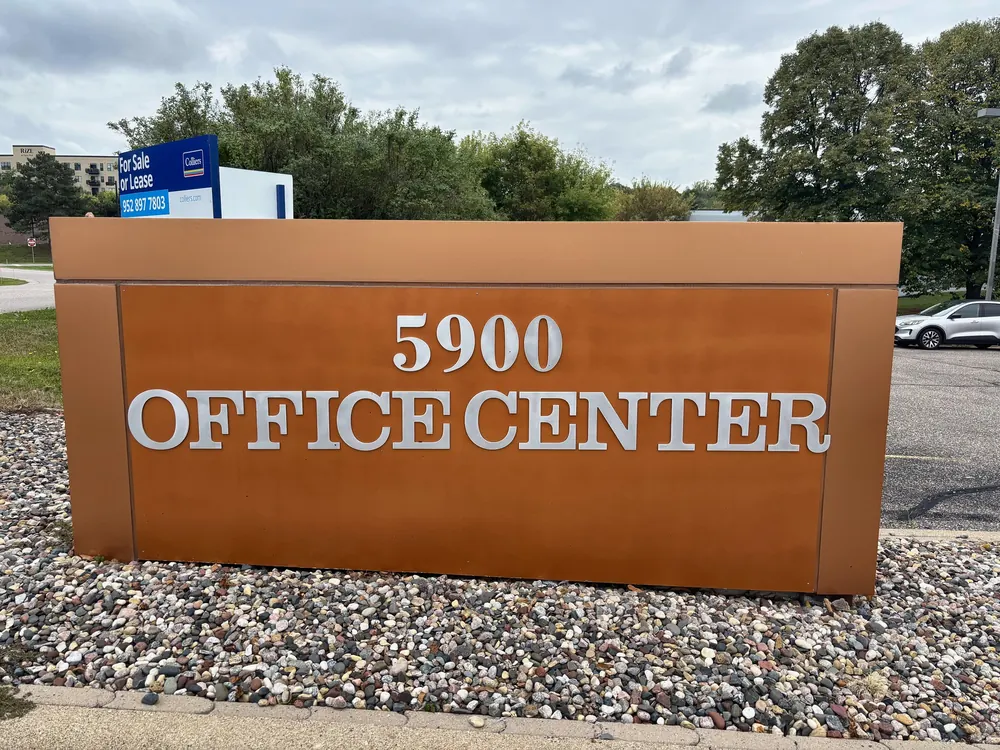
5900 Green Oak Drive, Ste 306
Hopkins, MN 55343