

Alcohol poisoning, also called alcohol overdose, is a life-threatening medical emergency that occurs when alcohol levels become high enough to interfere with the brain’s control of vital functions. It often results from drinking too much alcohol too quickly. Also called an alcohol overdose, it can shut down the parts of the brain that control breathing, heart rate, and body temperature. If you think someone has alcohol poisoning, call 911 right away. If drinking has become a pattern you want to address, Northwoods Haven offers outpatient alcohol treatment in Minnesota for adults across the Twin Cities.
What Is Alcohol Poisoning?
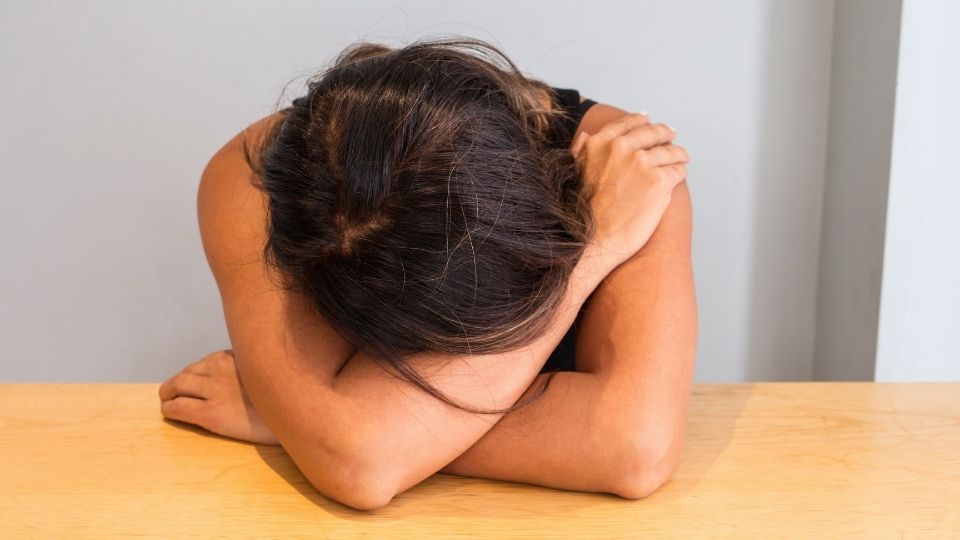
Alcohol poisoning, or alcohol overdose, occurs when there is so much alcohol in the bloodstream that the body’s basic functions begin to fail [1]. It is most often the result of binge drinking, meaning drinking a lot of alcohol quickly, such as through shots or drinking games. As blood alcohol concentration climbs, alcohol suppresses the areas of the brain that keep a person breathing and awake. Because alcohol poisoning attacks the brain’s control of vital functions, it is always a medical emergency and a serious threat to a person’s health.
A frightening detail many people do not realize: blood alcohol concentration can keep rising even after a person stops drinking or passes out, because alcohol already in the stomach and intestines continues to enter the bloodstream [1]. That is why an overdose can get worse while someone is “sleeping it off.”
Alcohol Poisoning vs. Being Very Drunk
It can be hard to tell heavy intoxication from a true overdose, so when in doubt, treat it as an emergency. Ordinary drunkenness may involve slurred speech and unsteadiness. The signs of alcohol poisoning are more serious: a person cannot be woken up, is breathing slowly or irregularly, has cold or bluish skin, or is vomiting while barely conscious. Those signs mean it is time to call 911, not wait and watch.
Signs and Symptoms of Alcohol Poisoning
Knowing the warning signs can save a life. According to NIAAA, the symptoms of an alcohol overdose include mental confusion, trouble staying conscious, vomiting, seizures, slow or irregular breathing, slow heart rate, clammy skin, a dulled or absent gag reflex, extremely low body temperature, and bluish or pale skin [1]. These symptoms can appear one at a time or together, and any of them is a reason to act.
| Category | Warning signs |
|---|---|
| Breathing and heart | Slow breathing (fewer than 8 breaths a minute), irregular breathing (gaps of 10 seconds or more), slow heart rate |
| Skin and temperature | Clammy skin, bluish or pale skin, very low body temperature (hypothermia) |
| Consciousness | Mental confusion, cannot be woken up, no gag reflex |
| Other | Vomiting, seizures |
You do not need to see every sign for it to be an emergency. NIAAA is clear: do not wait for the person to have all the symptoms, and remember that a person who has passed out can die [1].
What to Do If You Suspect Alcohol Poisoning

If you think someone has alcohol poisoning, act quickly [1]:
- Call 911 immediately: It is always safer to get help than to wait and see.
- Do not leave the person alone: They could choke or be injured.
- Help them stay in a safe position: Keep them sitting up if possible; if they are unconscious, gently roll them onto their side to help prevent choking if they vomit.
- Stay with them until help arrives: Be ready to tell responders how much alcohol they drank, any other substances involved, and any health conditions.
You can also call the national Poison Help line at 1-800-222-1222 for guidance, but in a suspected overdose, calling 911 comes first.
What Not to Do
Common “remedies” do not work and can make things worse. NIAAA warns that cold showers, hot coffee, and walking a person around do not reverse an alcohol overdose [1]. Most importantly, never assume an intoxicated person who has passed out will simply sleep it off. Because blood alcohol can keep rising, leaving someone to “sleep it off” can be fatal.
How Alcohol Poisoning Is Treated
At the hospital, alcohol poisoning is treated with close monitoring and supportive medical care while the body clears the alcohol. Depending on the person’s condition, treatment may include IV fluids, oxygen or help with breathing, monitoring of heart rate and body temperature, and steps to protect the airway in case of vomiting. There is no way to instantly reverse an alcohol overdose, which is exactly why getting emergency medical help quickly is so important. Surviving the acute episode also does not undo the risks of ongoing heavy drinking, so follow-up support matters for long-term health.
Who Is at Risk?
Anyone who drinks too much too quickly can experience alcohol poisoning, but the risk is highest with binge drinking, which the CDC defines as 4 or more drinks for women or 5 or more for men in about two hours [2]. Factors like body size, tolerance, and whether a person has eaten all affect how fast blood alcohol rises, and drinking on an empty stomach or drinking quickly pushes it higher, faster.
Mixing alcohol with other central nervous system depressants is especially dangerous. Opioids, benzodiazepines, and some sleep medications also slow breathing, so combining them with alcohol multiplies the risk of a fatal overdose. To understand safer limits, see our chapter on how much alcohol is too much.
Alcohol Poisoning and Alcohol Use Disorder
A single overdose can happen to someone who rarely drinks. But repeated binge drinking or a pattern of drinking to the point of danger can be a sign of a deeper problem with alcohol. Alcohol poisoning is different from alcohol withdrawal and delirium tremens, which happen when a dependent person stops drinking, but both point to the same underlying issue: alcohol use that has become risky.
Beyond the immediate danger of an overdose, repeated heavy drinking raises the risk of long-term harm to the brain and overall health, including conditions such as wet brain. If overdoses, blackouts, or heavy drinking are becoming familiar, it may be time for a closer look. A comprehensive drug and alcohol assessment can help clarify where your drinking falls, and Northwoods Haven provides outpatient care, including an intensive outpatient program, for adults who want support.
Frequently Asked Questions
How much alcohol causes alcohol poisoning?
There is no exact number, because it depends on body size, tolerance, how fast a person drinks, whether they have eaten, and other substances involved. Drinking a large amount quickly, as in binge drinking, is the most common cause [1][2].
Can you die from alcohol poisoning?
Yes. Alcohol poisoning can be fatal, especially if it goes untreated, because it can stop a person’s breathing or cause choking while unconscious [1]. That is why calling 911 quickly matters.
Should you let someone “sleep it off”?
No. Because blood alcohol can keep rising after the last drink, an unconscious person can get worse, not better. Never leave them alone to sleep it off, and call 911 if you see warning signs [1].
Does coffee or a cold shower help?
No. Coffee, cold showers, and walking do not reverse alcohol poisoning and can make the situation more dangerous.
Sources
- National Institute on Alcohol Abuse and Alcoholism (NIAAA), Understanding the Dangers of Alcohol Overdose: https://www.niaaa.nih.gov/publications/brochures-and-fact-sheets/understanding-dangers-of-alcohol-overdose
- Centers for Disease Control and Prevention (CDC), About Alcohol Use: https://www.cdc.gov/alcohol/about-alcohol-use/index.html





