
Bipolar disorder treatment · Hopkins, Minnesota
Bipolar Treatment in Minneapolis, Minnesota
An outpatient bipolar center approach for adults whose mood swings and substance use have been pushing each other around, and who want steady ground under both.
Northwoods Haven Recovery treats bipolar disorder alongside substance use disorders on an outpatient basis for adults across Minneapolis and the Twin Cities, from our center in Hopkins. Group therapy with people who understand what a week without sleep can do, individual counseling with your own licensed alcohol and drug counselor, and CBT and DBT skills for the routines, the triggers, and the drinking or using that keeps the mood from ever settling. Then you go home.
In-network with Minnesota Medicaid, Blue Cross Blue Shield, HealthPartners, UnitedHealthcare, and Medica
Bipolar disorder and substance use
Stability first. Both conditions, one plan.
Bipolar disorder and substance use
Stability first, on both fronts.
Bipolar disorder and substance use disorders occur together more often than almost any other pairing we see. Alcohol and stimulants destabilize mood, and unstable mood drives use. Stability comes first, and we build it on both fronts at once.
2
Poles: manic or hypomanic episodes and depressive episodes
2 to 4
Months in IOP, then the Relapse Prevention Program step-down
18+
Adults, including young adults
0
Nights away from home. Every level of care here is outpatient
What bipolar disorder is
Bipolar disorder is a condition of mood episodes, and substances knock the episodes loose
Bipolar disorder is a brain-based mood condition defined by episodes. Manic episodes bring a week or more of elevated or irritable mood with racing thoughts, little need for sleep, grand plans, fast talk, impulsive spending or sex, and sometimes a break from reality. Hypomania is a shorter, milder version. Depressive episodes are the opposite pole: weeks of low mood, exhaustion, hopelessness, and loss of interest. Bipolar I involves full mania. Bipolar II involves hypomania and depression. Between episodes many people feel well, which is part of why the diagnosis is so often missed.
Substance use tangles with bipolar disorder in every direction. During mania and hypomania, impulsivity and a feeling of invincibility make heavy drinking or drug use far more likely. During depression, people use to get relief or energy. And the substances themselves push the mood around: alcohol deepens depression and wrecks the sleep that bipolar brains depend on, while stimulants such as cocaine, meth, and misused Adderall can trigger mania outright. The result is a cycle where each condition sets off the other.
At Northwoods Haven Recovery we treat bipolar disorder as a co-occurring condition alongside chemical dependency programming. We do not prescribe. Mood stabilizers and other bipolar medications are a medical provider’s domain. Our work is the structure, skills, and support that make that medication work: regular sleep, sober days, early warning signs named, and a plan for when the mood starts to move. If bipolar disorder is your primary concern and substance use is not part of it, a program built for mood disorders will serve you better, and we will help you find one.
Who this treatment is for
We treat bipolar disorder alongside substance use, not on its own. If you have bipolar disorder and do not have a substance use concern, a dedicated mental health program with a prescriber is the better fit, and we will help you find one. Call anyway. Every caller leaves with resources.
Our space
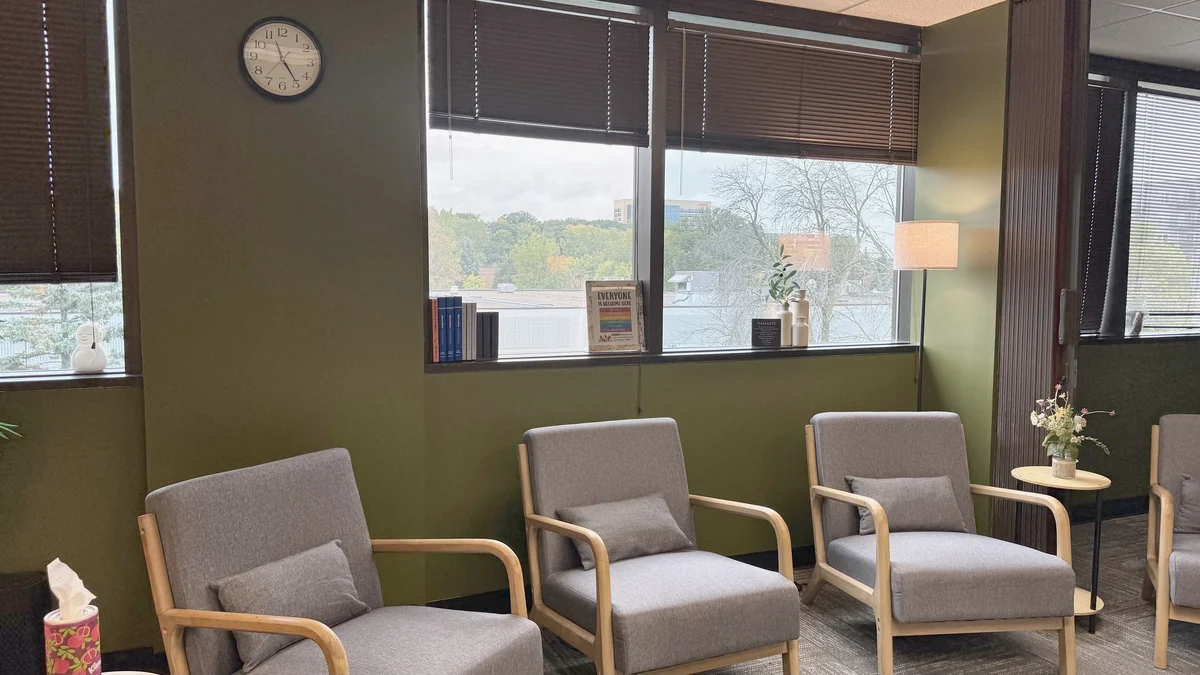
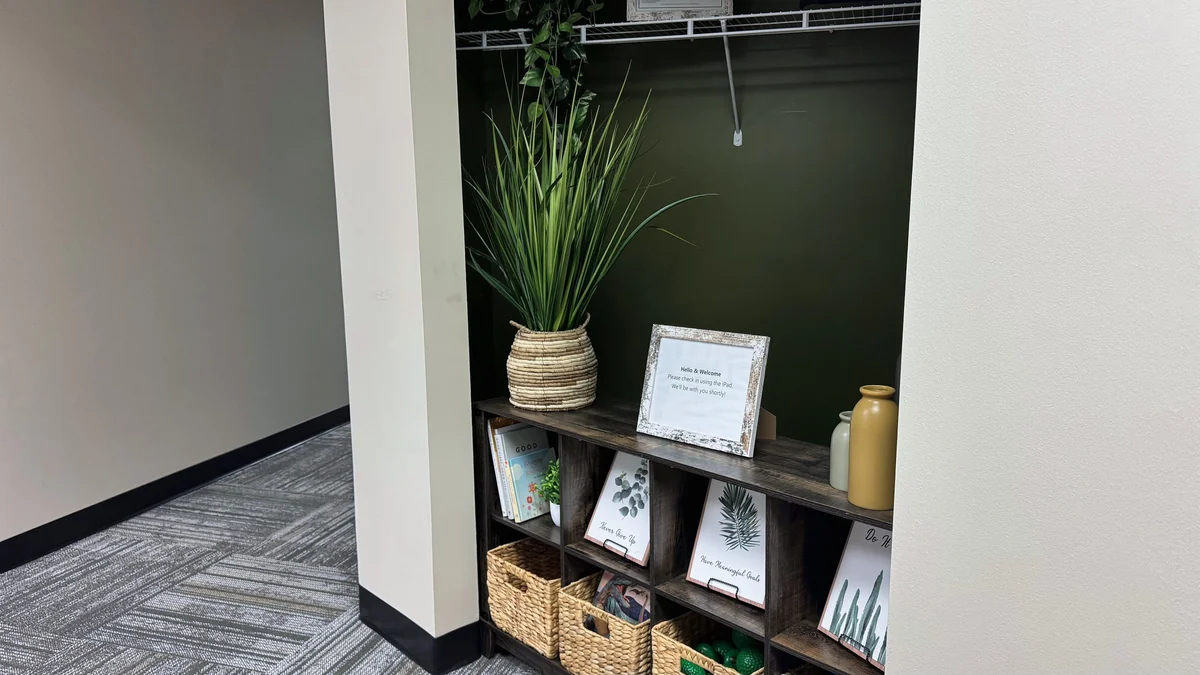
Inside our outpatient treatment center in Hopkins, Minnesota
A safe haven should feel like one. Our suite on Green Oak Drive looks out over water and trees, and the rooms where groups meet were built to feel calm, comfortable, and homey. Not clinical, not institutional. You are more than your diagnosis here, and the space is meant to say so before anyone does.
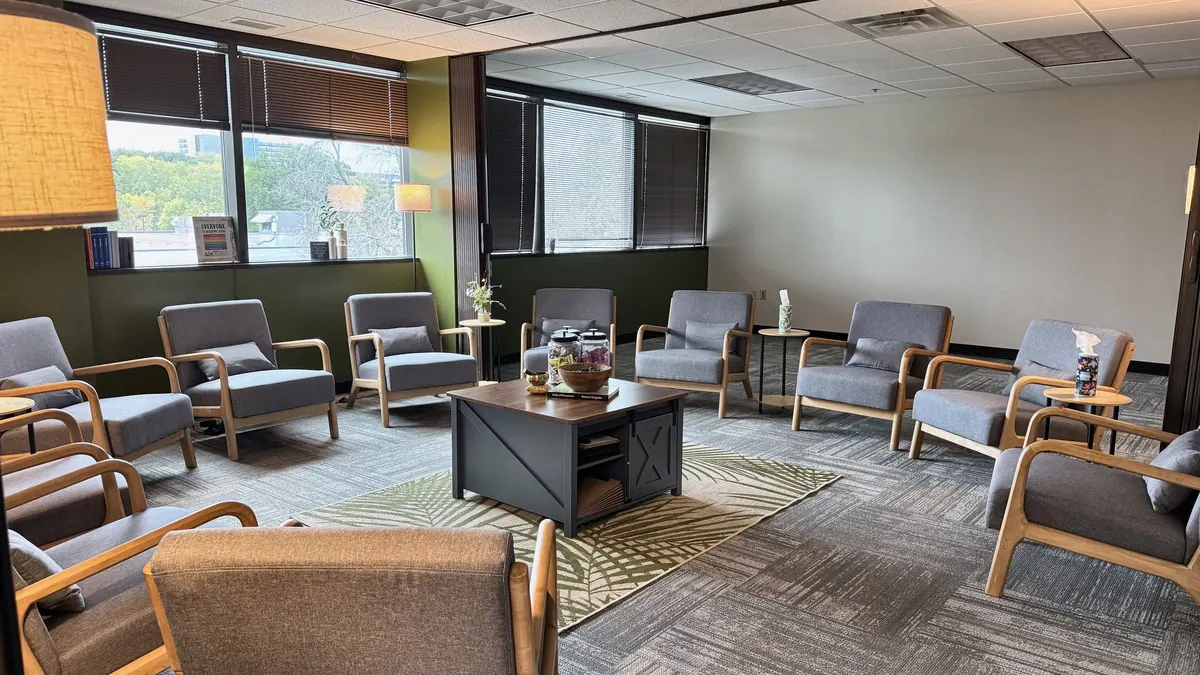
The lounge
Where people land and catch their breath before group.
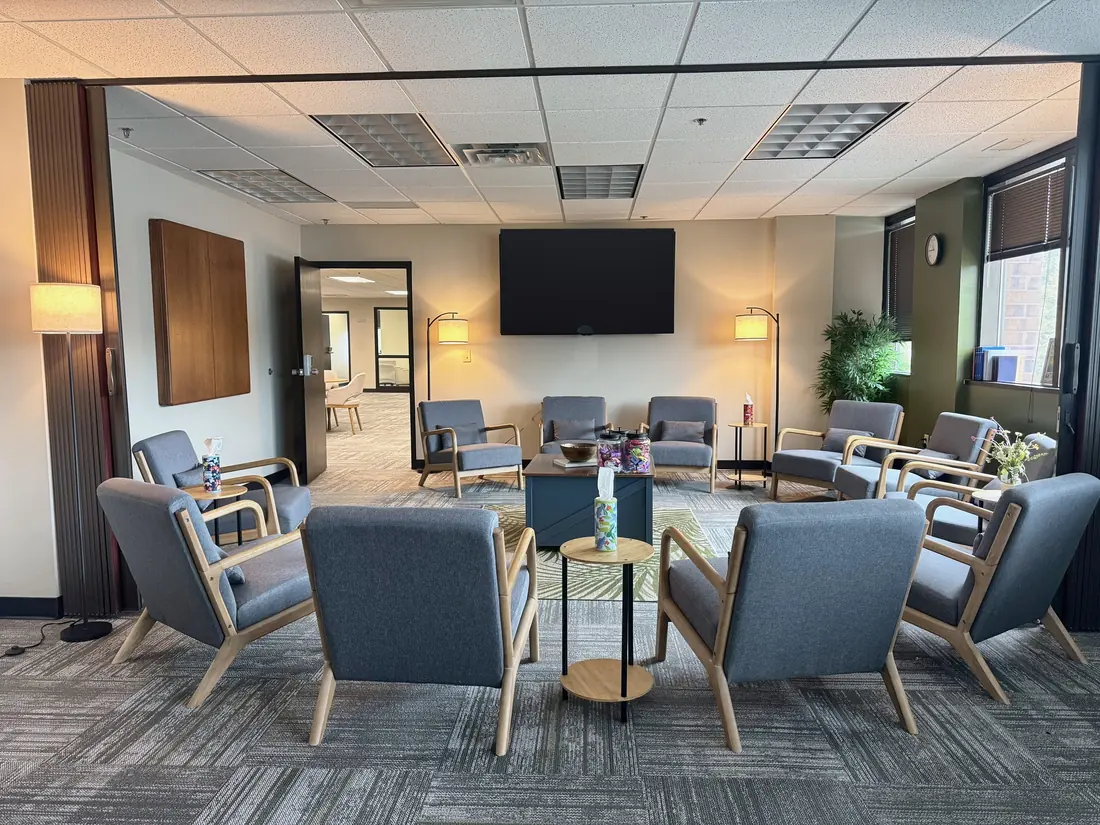
The group room
Three hours a day, in a circle, with people who understand.

The view
Water and treeline out every window: the northwoods, in the metro.
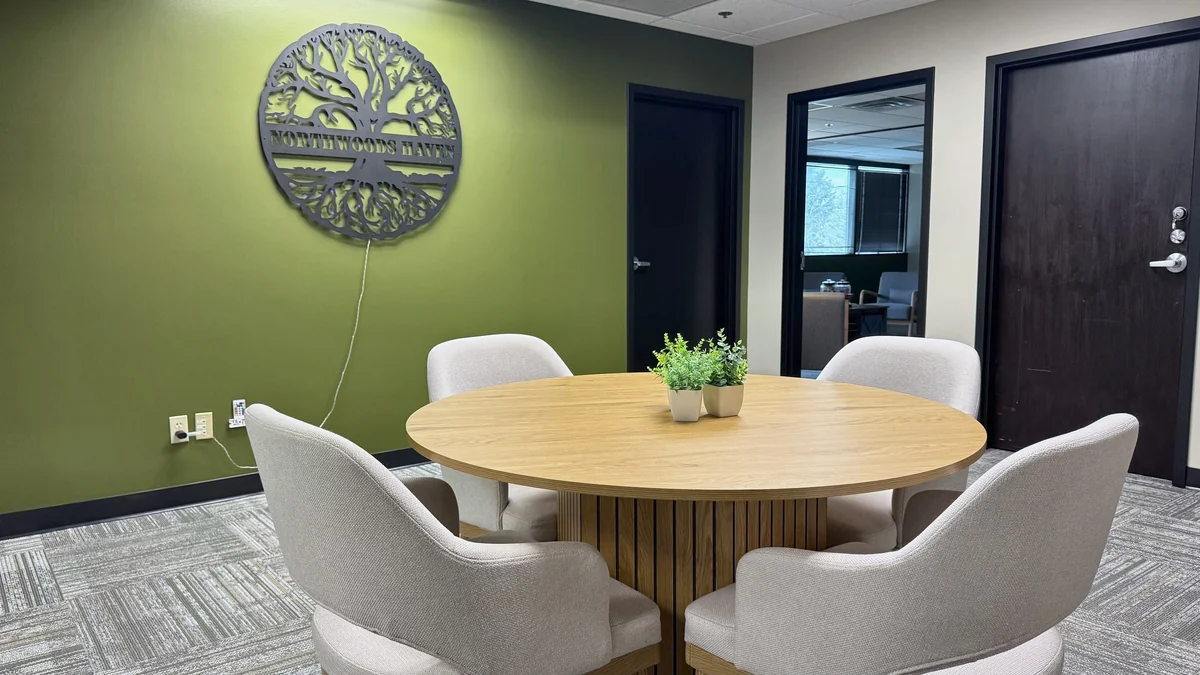
Another Group Room
Three hours a day, in a circle, with people who understand.
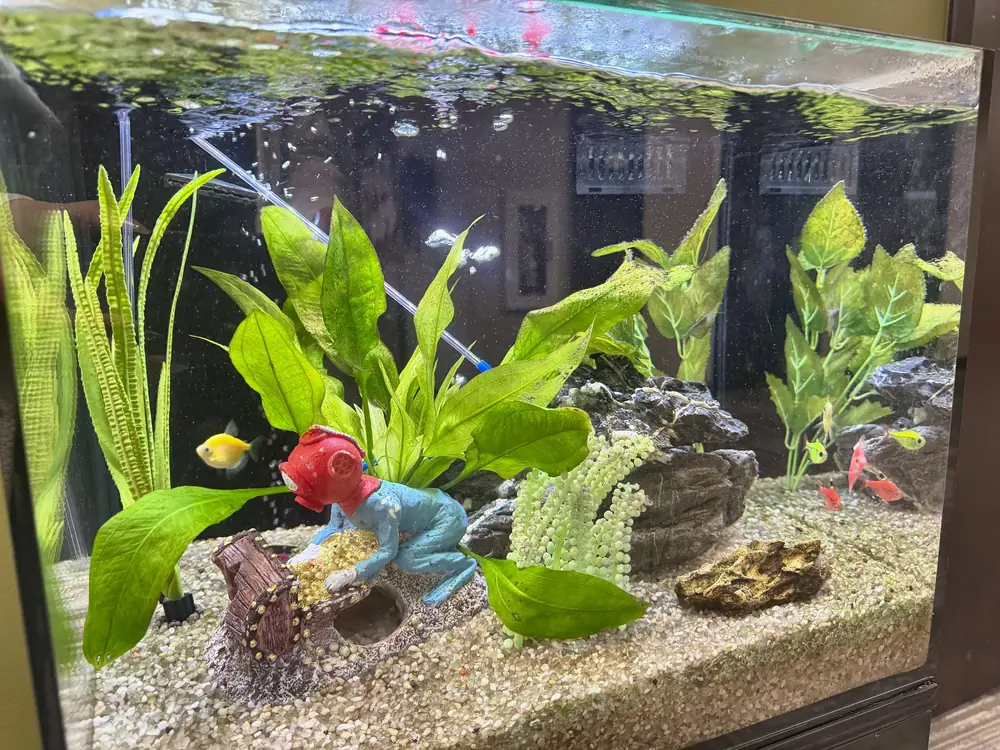
Quiet corners
Somewhere to sit with a thing before you say it out loud.
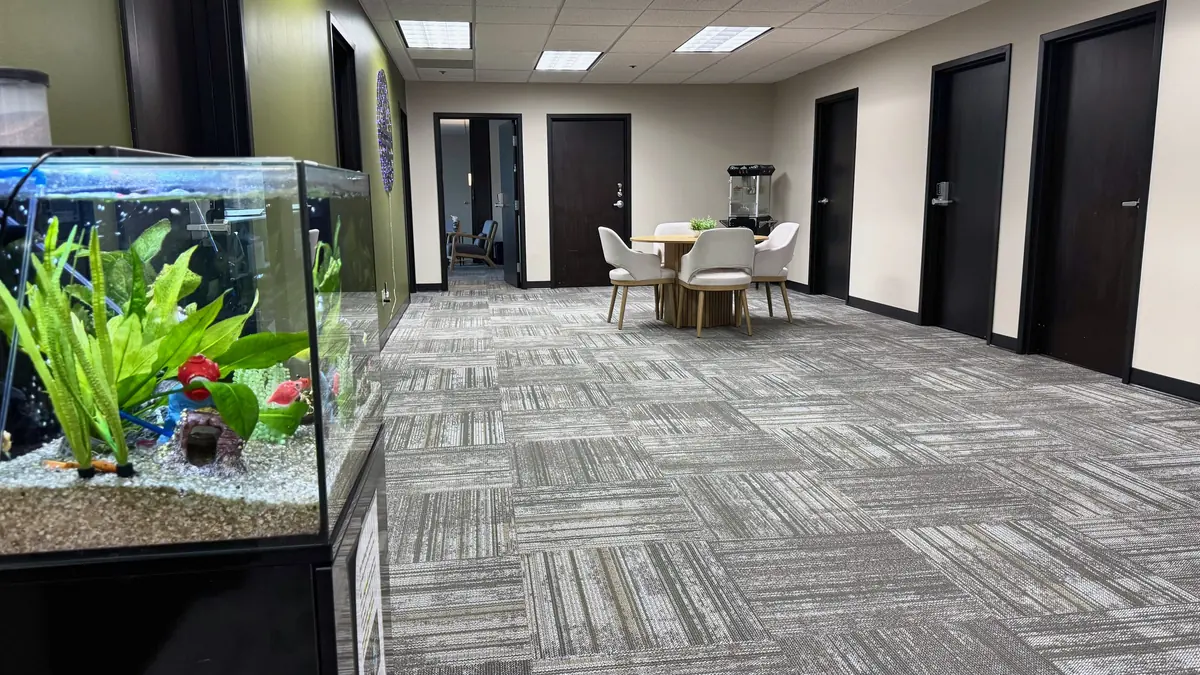
Room to breathe
Daylight and treeline out every window. No clinical fluorescence.
Signs and symptoms
Signs bipolar disorder and substance use are feeding each other
Bipolar disorder is often mistaken for a drinking or drug problem alone, because the substance explains the wild weeks. If several of these are true, both deserve a closer look.
Manic
Elevated episodes
Stretches of days with little sleep and no fatigue, racing thoughts, talking fast, big plans, spending sprees, risky sex, and a sense that nothing can go wrong. Heavy drinking or drug use that spikes during these stretches.
Depressive
Depressive episodes
Weeks of low mood, exhaustion, sleeping too much or too little, hopelessness, and loss of interest, often following a high. Using to get out of bed, to feel anything, or to sleep.
Behavioral
Pattern of use
Substance use that swings with mood rather than staying constant. Stimulants during lows, alcohol or sedatives during highs, or both at once. Decisions during a high that you cannot explain afterward.
Consequences
Life around it
Jobs and relationships that end during a manic stretch. Debt, legal trouble, or hospital visits. Family members who describe two different versions of you. A depression diagnosis that never quite fit.

How bipolar disorder and addiction interact
Why alcohol and stimulants destabilize mood, and what stability first looks like
Bipolar brains are sensitive to disruption, and substances are disruption. Alcohol is a depressant that deepens depressive episodes and fragments sleep, and lost sleep is one of the most reliable triggers of mania. Stimulants flood the brain with dopamine and can launch a manic episode directly, then leave a crash that looks and feels like depression. Even substances that seem calming, such as cannabis or benzodiazepines, interfere with the sleep and routine that keep mood steady. Each episode a substance triggers makes the next one more likely.
The cycle also undermines treatment. Mania makes people feel they do not need medication or help, so prescriptions get skipped and appointments missed. Substances blunt the effect of mood stabilizers. Depression makes it hard to show up. People can bounce between treating the mood and treating the substance for years without anyone treating both at once, which is what reliably works.
At Northwoods Haven Recovery, stability first means we build the daily structure that bipolar disorder and recovery both need: consistent sleep and wake times, sober days, regular groups, and a counselor who knows your early warning signs. CBT helps you catch the thoughts that precede a spiral. DBT adds skills for impulsivity and for riding out intense emotion without a drink or a drug. Psychoeducation helps you and your family recognize an episode early. Medication and structure work better together, so tell us during the assessment what you take and who prescribes it, and your plan accounts for it.
If you are in crisis right now
If you are in crisis or thinking about suicide, call or text 988 (Suicide and Crisis Lifeline) or call 911. Both are available every hour of every day. Treatment here can begin once you are safe, and we will be glad to hear from you.
Who it is for
Outpatient bipolar and addiction treatment is probably the right fit if you
- Have a bipolar diagnosis, or highs and lows a depression diagnosis never explained, and drink or use in a way that tracks your mood
- Find that every attempt to quit collapses during a manic stretch or a deep low
- Take a mood stabilizer or other bipolar medication a medical provider prescribed and want a program that coordinates with your prescriber
- Are stable enough to live at home and attend several sessions a week, and want structure that protects that stability
- Have a job, a family, or school you are not willing to step away from for weeks to get treatment
Not sure yet
A comprehensive assessment answers it.
A chemical use assessment establishes whether you meet criteria for a substance use disorder, asks about mood episodes and any bipolar diagnosis alongside it, and identifies the level of care that fits, here or somewhere better suited to you. If you are in an acute manic or severe depressive episode, a higher level of psychiatric care comes first and we will help you find it. If you already have an assessment, send it over and we will review it instead of repeating it.
For families
About half our calls are from someone else.
You can ask a question without committing anyone to anything, and family involvement is part of the work when the client wants it.
How we treat it
How bipolar disorder treatment works at Northwoods Haven Recovery
Bipolar disorder shapes the plan: sleep, routine, and early warning signs get extra attention. It does not change the level of care, the therapies, or the counselors you work with. Relapse prevention planning covers mood episodes as well as substances.
Step one
Chemical use assessment
An hour with a licensed counselor that maps the substance use, asks about mood episodes and medication, and lands on a level of care. If acute psychiatric care comes first, we say so and help you get there.
Where everyone starts
Most people start here
Intensive Outpatient Program (IOP)
Three-hour groups, individual counseling with your own counselor, and CBT and DBT skills for impulsivity, routine, and the urge to use when the mood moves. About two to four months, then you step down.
Explore IOP →
Then
Relapse Prevention Program
Ten to twelve weeks of low-intensity outpatient care with the same counselors. Your written plan names the sleep changes, the spending, and the energy shifts that signal an episode, and what to do before it turns into a drink.
Explore relapse prevention →
Therapies
Evidence-based addiction therapies, taught as options, not prescriptions.
We’ll walk you through every approach we use and why, then build your plan around the ones that fit your beliefs and your life. No single pathway, no ideology, no judgment.
Cognitive behavioral therapy
Find the thought patterns that drive use, and learn to interrupt them.
Dialectical behavior therapy
Skills for distress tolerance, emotion regulation, and hard relationships.
Acceptance & commitment therapy
Move toward what you actually value, even when it’s uncomfortable.
Motivational interviewing
Your reasons for changing, in your words. Nobody lectures you here.
Individual counseling
Your own licensed counselor, where the plan gets built and adjusted.
Group therapy
Three hours a day with people who know the terrain you’re crossing.
Addiction counseling
One-on-one counseling with your own chemical dependency counselor.
Trauma-informed care
Care that accounts for what happened to you, not what’s wrong with you.
Relapse prevention and aftercare planning run through every level of care rather than sitting off to the side, and whole-person care means mental health psychoeducation happens alongside all of it.
Mental health
Co-occurring mental health conditions we treat alongside addiction
Treating one and ignoring the other does not work. Northwoods Haven Recovery treats co-occurring mental health conditions alongside chemical dependency programming. If your needs are mental-health-primary, a program built for that will serve you better, and we will help you find one.
Trauma and PTSD
Care that accounts for what happened to you, not what is wrong with you.
Depression
The loop between using and feeling worse, treated from both ends at once.
Anxiety
Using to quiet it works for an hour and costs more than that.
Bipolar disorder
Care that steadies mood episodes while chemical dependency programming continues.
ADHD
Structure and skills for adult ADHD when stimulants, alcohol, or cannabis became the coping strategy.
Something else?
If a mental health condition is tangled with substance use, tell us. We treat both together or help you find who can.
Substance use
Every substance use disorder we treat in Minnesota
Seven groups, one outpatient path. The substance shapes the withdrawal risk and the early weeks, not the level of care or the counselors you work with.
The most common reason people call us, and the one most often hidden behind a functioning life.
Prescription opioids, heroin, and the fentanyl that now contaminates most of the illicit supply. Detox often comes first. We do not provide it, but we help you find it.
Methamphetamine, cocaine, and prescription stimulants. Group work is where most of the traction comes from.
Benzodiazepines, sleep medications, and other prescriptions that started as treatment. Stopping abruptly can be dangerous, so a medical provider guides the taper.
Legal does not mean harmless. Cannabis use disorder is a real diagnosis.
LSD, ecstasy and MDMA, ketamine, and PCP. Usually part of a wider pattern, which is what the assessment sorts out.
Inhalants, nitrous oxide, and substances that show up faster than the research does.
Not on the list?
This list is not a filter. Call us and we will tell you honestly whether we are the right fit, and help you find who is if we are not.
Paying for treatment
Insurance-covered addiction treatment that's accessible to anyone who wants it.
Medicaid was the first network we joined, on purpose. We’re also in-network with major commercial plans. We’ll verify your benefits and tell you plainly what your plan covers before you commit to anything.
Minnesota Medicaid
Blue Cross Blue Shield
HealthPartners
UnitedHealthcare
Medica
Hennepin Health
Private pay accepted
Not listed? Call and we'll check.
Common questions
Questions people ask about bipolar disorder and addiction treatment
If yours is not here, ask us directly. We would rather tell you honestly that we are not the right fit than have you find out later.

LegitScript Certified
Verified addiction treatment provider
Do you treat bipolar disorder on its own, without addiction?
No. Northwoods Haven Recovery treats bipolar disorder as a co-occurring condition alongside substance use disorders. If bipolar disorder is your only concern, a program built for mood disorders, with a prescriber on staff, will serve you better, and we will help you find one.
Do you prescribe mood stabilizers or manage bipolar medication?
No. We do not prescribe or manage medication. Mood stabilizers, antipsychotics, and other bipolar medications are a medical provider’s domain. If a psychiatrist or other prescriber has you on them, you are welcome here. Tell us during the assessment so your plan accounts for it and we can coordinate with your prescriber.
Why does alcohol make my bipolar disorder worse?
Alcohol is a depressant that deepens depressive episodes and disrupts sleep, and lost sleep is one of the most reliable triggers of mania. It also interferes with how mood stabilizers work and makes it more likely you will skip them. Stimulants are even more direct: they can trigger a manic episode outright.
What does stability first mean?
It means the immediate goal is a steady baseline on both fronts before anything else: regular sleep, sober days, medication taken as prescribed, and early warning signs named. Deeper work on the reasons behind the use comes once the ground is solid enough to stand on.
Can I start outpatient treatment during a manic or severe depressive episode?
Usually not. Acute mania or severe depression needs a higher level of psychiatric care first, and outpatient care is built for people who are stable enough to live at home and attend several sessions a week. Call anyway. We will help you find the right care and welcome you when you are ready.
I was diagnosed with depression, but I think it might be bipolar. Can you tell?
We can screen for mood episodes during the assessment and share what we see, but a bipolar diagnosis belongs to a psychiatric provider. If your history suggests it, we will say so and help you get evaluated, and your treatment here continues either way.
Can I keep working while I am in treatment?
Yes. Outpatient care is scheduled around work, school, and family rather than in place of them. You attend groups and individual sessions several days a week and go home every night. The routine itself tends to help people with bipolar disorder.
Does insurance cover bipolar and addiction treatment?
We are in-network with Minnesota Medicaid, Blue Cross Blue Shield, HealthPartners, UnitedHealthcare, and Medica. Give us your plan information on the first call and we will verify your benefits and tell you plainly what is covered before you commit to anything.
Related articles
Related reading on bipolar disorder, mood, and recovery



Getting started
How to get started: four steps, no waiting eleven days.
Reaching out doesn’t commit you to anything. It means you asked a question, and we answered it.
01
Call
We listen to what’s going on and where you are in the process. No script, no pressure.
02
Chemical use assessment
A comprehensive assessment to determine diagnosis and the level of care that fits.
03
Referral to the right care
Ideally with us. If another program fits you better, we’ll connect you to it.
04
Intake
Programming starts immediately after intake. Already have an assessment? Send it over and we’ll review it.
Your team
Meet the counselors who answer the phone and guide your treatment.



Take the first step
When you're ready, we're here.
Reaching out doesn’t mean you’ve committed to anything. It means you’re asking a question, and we’ll answer it honestly, even if the answer points somewhere else.
100% confidential
Insurance verified fast
No commitment to ask
Outpatient only
Referring professionals
Send a comprehensive assessment, plus treatment plan reviews, discharge summary, med list, and insurance information if applicable. A list, not a portal.
Visit us in Hopkins
Northwoods Haven Recovery
5900 Green Oak Drive, Ste 306
Hopkins, MN 55343