
Opioid addiction treatment · Hopkins, Minnesota
Opioid Addiction Treatment in Minneapolis, Minnesota
Outpatient opioid rehab for adults who want to stop using painkillers, heroin, or fentanyl while staying in their own lives.
Northwoods Haven Recovery treats opioid use disorder on an outpatient basis for adults in Minneapolis, Hopkins, and the wider Twin Cities. Whether it started with a prescription after surgery, a pill from a friend, or heroin, the path is the same: a chemical use assessment, an Intensive Outpatient Program with group therapy and your own licensed alcohol and drug counselor, care for what sits underneath the use, and a Relapse Prevention Program that holds while life returns to normal.
In-network with Minnesota Medicaid, Blue Cross Blue Shield, HealthPartners, UnitedHealthcare, and Medica
Opioid use disorder
Painkillers, heroin, fentanyl: one disorder, one outpatient path.
On a prescribed medication?
You are welcome here.
If a medical provider has prescribed buprenorphine, methadone, or naltrexone, you are welcome here. Tell us during the assessment so your plan accounts for it.
12 to 24
Hours until opioid withdrawal usually begins after the last dose
2 to 4
Months in IOP before the Relapse Prevention Program step-down
18+
Adults, including young adults
0
Nights away from home. Every level of care is outpatient
What opioid addiction is
Opioid use disorder is one condition with many entry points
Opioids are a family of drugs that act on the same receptors in the brain and body. Prescription painkillers such as oxycodone, hydrocodone, morphine, and codeine belong to it. So do heroin and fentanyl. Opioid use disorder is the clinical term for a pattern of use that has moved past your control: taking more than prescribed or intended, running out early, withdrawal when you stop, and continuing despite the toll on your health, work, or relationships. It ranges from mild to severe, and it is treatable at every point on that range.
The reason opioids grip so hard is not weakness. They flood the brain’s reward circuitry and quiet its pain and stress systems, and the brain adapts by producing less of its own relief. Within weeks of regular use, the drug stops making you feel good and becomes the only thing that keeps you from feeling terrible. That is physical dependence, and it can happen on a prescription taken exactly as directed. Addiction is the layer on top: the compulsion that keeps going once the pills run out or the pain is gone.
Outpatient opioid addiction treatment at Northwoods Haven Recovery begins with a chemical use assessment that maps how severe the disorder is, whether you need medical support to get through withdrawal first, and what else is going on underneath. Many people with opioid use disorder are also managing chronic pain or a mental health condition, and the plan accounts for that. Medication for opioid use disorder, prescribed by a medical provider, fits alongside the counseling here.
One thing to be clear about
We are outpatient only, and we do not prescribe. No detox, no inpatient, no residential care, no medication management. If you are using daily and need medical support to stop, we help you find it and welcome you back after. If a prescriber has started you on buprenorphine or methadone, that continues with them while you do the counseling work here.
Our space
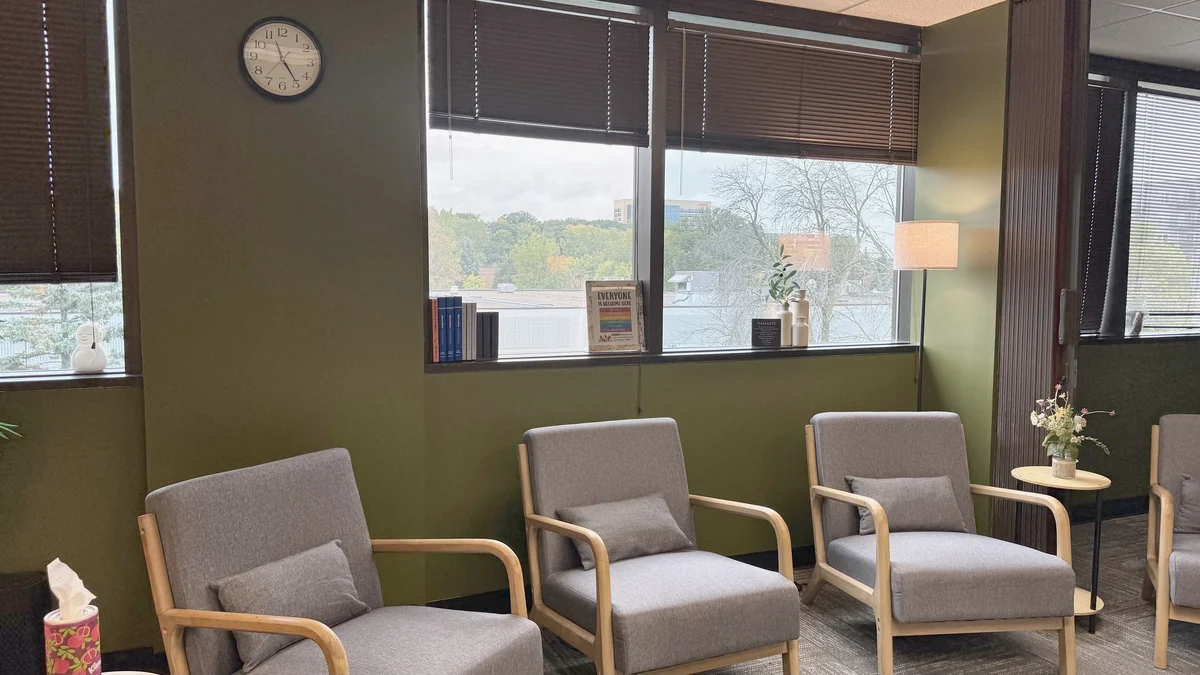
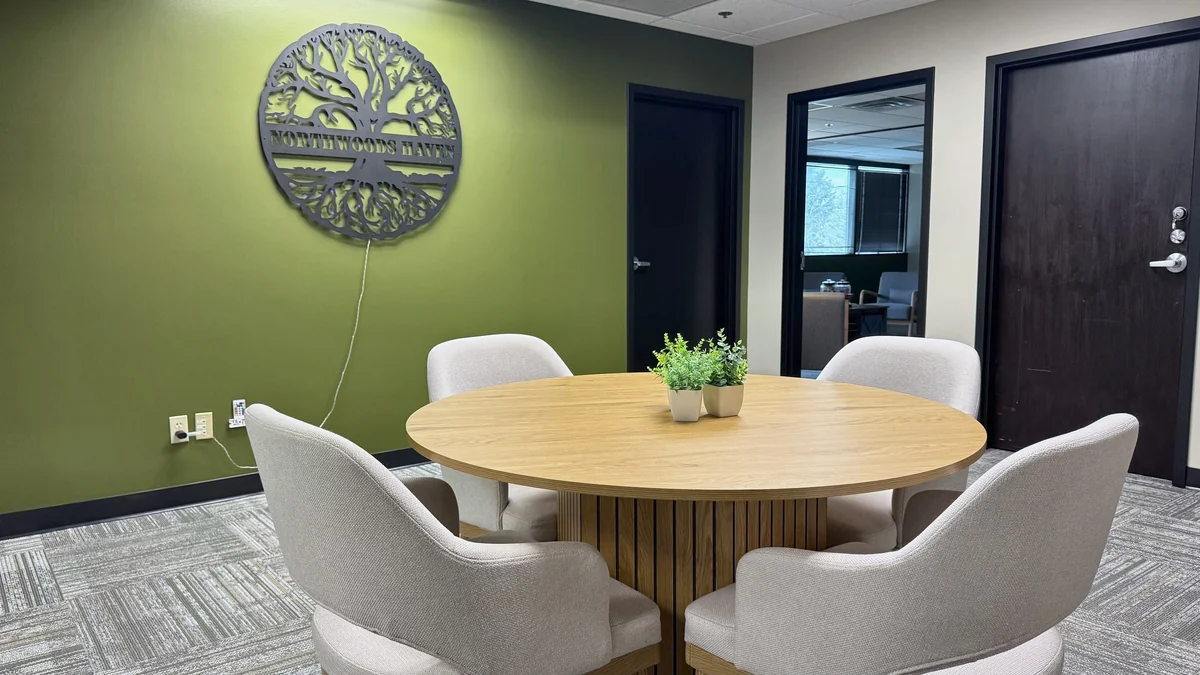
Inside our outpatient treatment center in Hopkins, Minnesota
A safe haven should feel like one. Our suite on Green Oak Drive looks out over water and trees, and the rooms where groups meet were built to feel calm, comfortable, and homey. Not clinical, not institutional. You are more than your diagnosis here, and the space is meant to say so before anyone does.
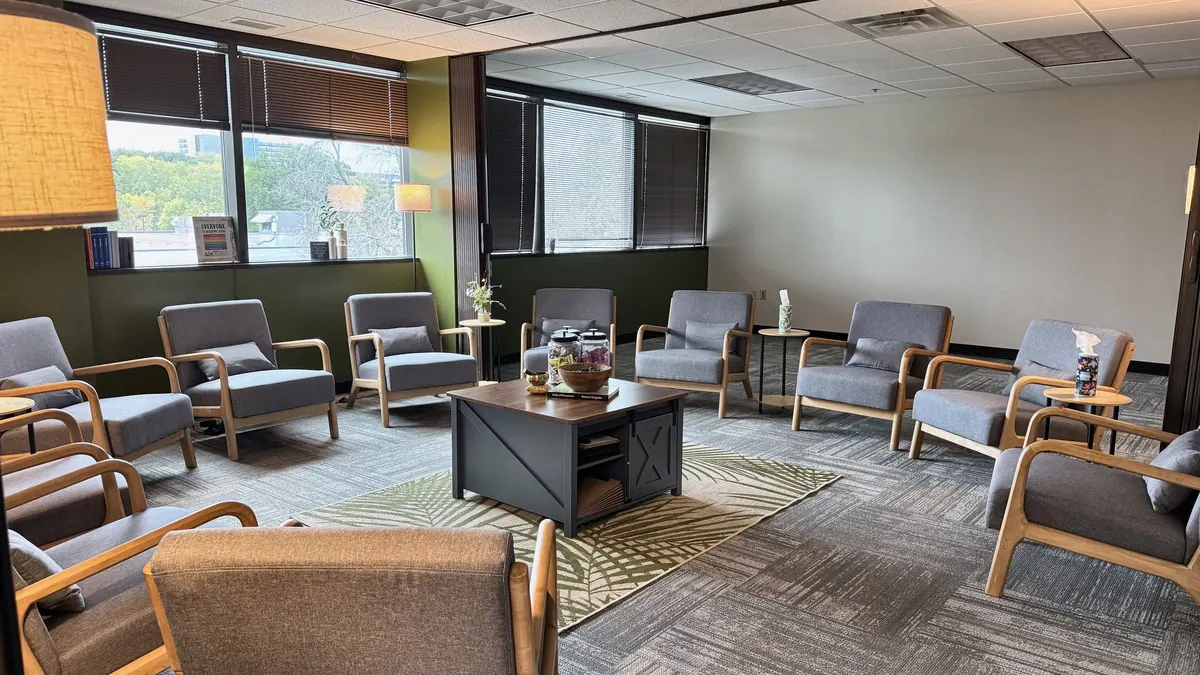
The lounge
Where people land and catch their breath before group.
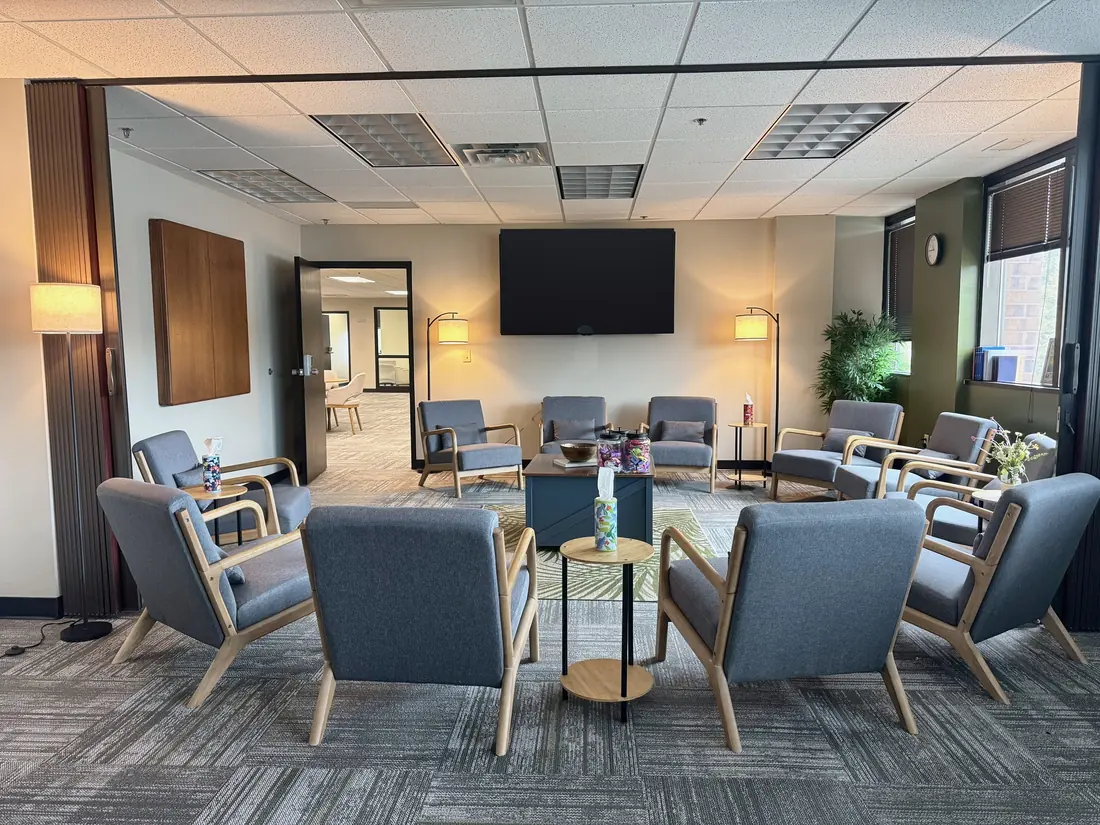
The group room
Three hours a day, in a circle, with people who understand.

The view
Water and treeline out every window: the northwoods, in the metro.
Another Group Room
Three hours a day, in a circle, with people who understand.
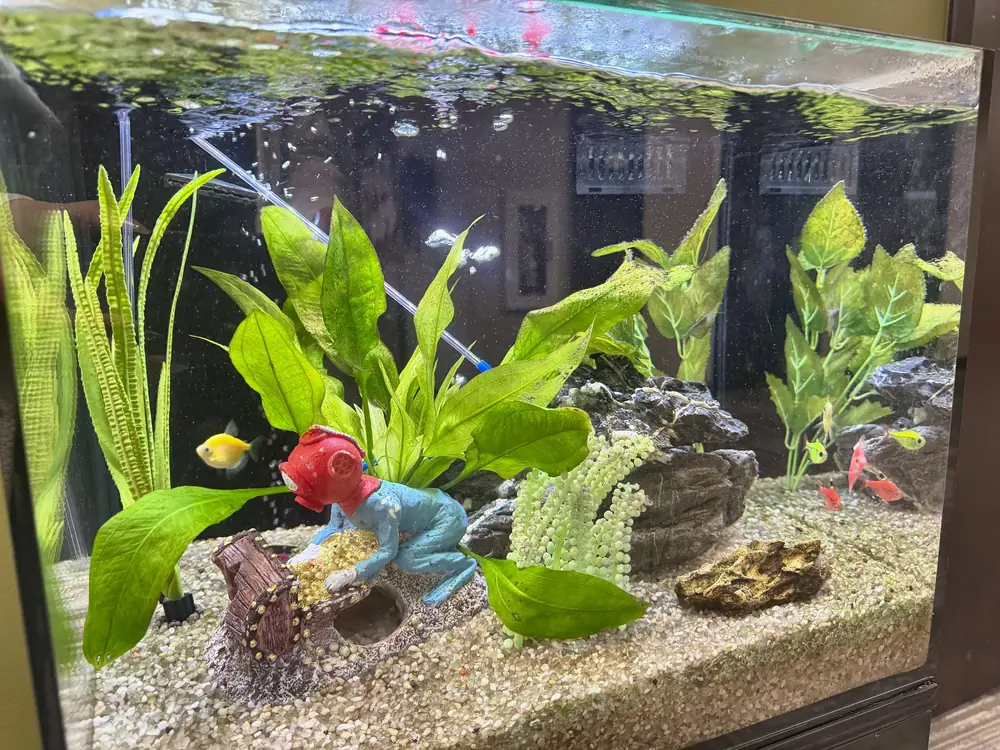
Quiet corners
Somewhere to sit with a thing before you say it out loud.
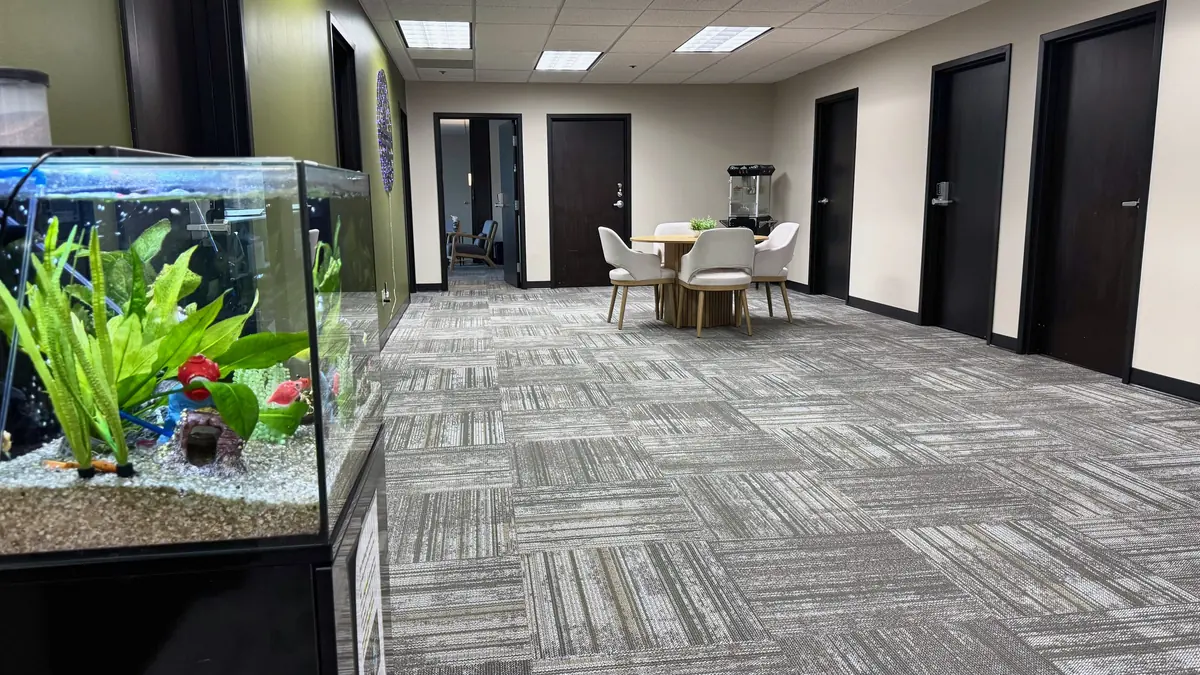
Room to breathe
Daylight and treeline out every window. No clinical fluorescence.
Signs and symptoms
Signs opioid use has become a disorder
Opioid dependence often hides behind a legitimate prescription. If several of these sound familiar, an assessment gives you an honest answer.
Behavioral
Chasing the supply
Refills that run out early, more than one prescriber, pills bought or borrowed from someone else, or a shift from pills to something cheaper and stronger when pills get hard to find.
Physical
The body keeps score
Pinpoint pupils, nodding off mid-conversation, constipation, slowed breathing, and then the opposite when a dose is missed: sweating, yawning, aching muscles, a runny nose, and diarrhea.
Consequences
What it costs
Money that disappears, missed work or school, driving while impaired, strained relationships, or an overdose scare that was brushed off afterward as a one-time thing.
Psychological
The inside experience
Planning the day around the next dose, using to feel ordinary rather than high, panic when the supply is low, and a growing gap between who you are and how you are living.
Withdrawal and health effects
What opioid withdrawal is like, and where the real danger sits
For short-acting opioids like oxycodone, heroin, and most fentanyl, withdrawal usually begins within 12 to 24 hours of the last dose, peaks over the next two or three days, and eases within a week or so. Longer-acting opioids such as methadone start later and last longer. The symptoms are miserable: muscle and bone pain, vomiting and diarrhea, sweating, chills, insomnia, and crushing anxiety. Unlike alcohol or benzodiazepine withdrawal, it is rarely life-threatening on its own. It is, however, one of the most common reasons people go back to using, which is why medical support through the first days helps.
The greater danger comes after. Tolerance drops fast once you stop. A dose that felt routine two weeks ago can stop your breathing after a period of abstinence, and because fentanyl now contaminates much of the illicit supply, there is no way to judge a dose by sight. This is why relapse after detox, jail, or a treatment stay is the most dangerous moment in opioid recovery, and why everyone close to someone in early recovery should carry naloxone. It reverses an opioid overdose and is available at Minnesota pharmacies.
Long-term opioid use also brings chronic constipation, hormonal changes, poor sleep, worsening depression, and, for people who inject, the risk of hepatitis C, HIV, and heart valve infections. After the acute phase, post-acute symptoms such as low energy, flat mood, and waves of craving can last for months. That stretch is what outpatient care is for: learning what your cravings feel like early, building a life with something in it besides the drug, and having people to call before a bad day becomes a bad decision.
If someone may be overdosing
Slow or stopped breathing, blue or gray lips, pinpoint pupils, gurgling sounds, or a person who cannot be woken are signs of opioid overdose. Call 911, give naloxone if you have it, and stay until help arrives. Treatment here begins once the person is medically stable.

Who it is for
Outpatient opioid treatment is probably the right fit if you
- Are using prescription painkillers, heroin, or fentanyl in a way you cannot stop on your own, and want structure that does not require leaving home
- Have been through detox, a hospital stay, or residential treatment and need something that holds during the months when relapse risk is highest
- Take buprenorphine, methadone, or naltrexone from a medical provider and want counseling and group support alongside it
- Are also dealing with chronic pain, depression, anxiety, or trauma, and want the opioid use and the reason for it treated together
- Are the parent, partner, or friend of someone using opioids and need a place to start
Not sure yet
A comprehensive assessment answers it.
A chemical use assessment establishes whether you meet criteria for opioid use disorder, how severe it is, and whether you can start outpatient care directly or need medical support through withdrawal first. If it is the latter, we say so, help you find it, and welcome you back after. If you have a recent assessment, send it over and we will review it.
For families
About half our calls are from someone else.
You can ask a question without committing anyone to anything, and family involvement is part of the work when the client wants it.
How we treat it
How opioid addiction treatment works at Northwoods Haven Recovery
The first weeks look different for someone stepping down from detox than for someone stable on a prescription, but the levels of care, therapies, and counselors are the same. Relapse prevention is built into every stage because with opioids the stakes of a slip are so high.
Step one
Chemical use assessment
About an hour with a licensed counselor to get a diagnosis, a severity level, and a straight answer about whether you need medical withdrawal support before starting here.
Where everyone starts
Most people start here
Intensive Outpatient Program (IOP)
Three-hour groups most programming days, individual counseling with your own counselor, and treatment for co-occurring conditions. About two to four months while you keep working and living at home.
Explore IOP →
Then
Relapse Prevention Program
Ten to twelve weeks of lower-intensity care with the same counselors. A written plan for the moments that used to end in a dose, and people who know your story still within reach.
Explore relapse prevention →
Therapies
Evidence-based addiction therapies, taught as options, not prescriptions.
We’ll walk you through every approach we use and why, then build your plan around the ones that fit your beliefs and your life. No single pathway, no ideology, no judgment.
Cognitive behavioral therapy
Find the thought patterns that drive use, and learn to interrupt them.
Dialectical behavior therapy
Skills for distress tolerance, emotion regulation, and hard relationships.
Acceptance & commitment therapy
Move toward what you actually value, even when it’s uncomfortable.
Motivational interviewing
Your reasons for changing, in your words. Nobody lectures you here.
Individual counseling
Your own licensed counselor, where the plan gets built and adjusted.
Group therapy
Three hours a day with people who know the terrain you’re crossing.
Addiction counseling
One-on-one counseling with your own chemical dependency counselor.
Trauma-informed care
Care that accounts for what happened to you, not what’s wrong with you.
Relapse prevention and aftercare planning run through every level of care rather than sitting off to the side, and whole-person care means mental health psychoeducation happens alongside all of it.
Substance use
Every substance use disorder we treat in Minnesota
Seven groups, one outpatient path. The substance shapes the withdrawal risk and the early weeks, not the level of care or the counselors you work with.
The most common reason people call us, and the one most often hidden behind a functioning life.
Prescription opioids, heroin, and the fentanyl that now contaminates most of the illicit supply. Detox often comes first. We do not provide it, but we help you find it.
Methamphetamine, cocaine, and prescription stimulants. Group work is where most of the traction comes from.
Benzodiazepines, sleep medications, and other prescriptions that started as treatment. Stopping abruptly can be dangerous, so a medical provider guides the taper.
Legal does not mean harmless. Cannabis use disorder is a real diagnosis.
LSD, ecstasy and MDMA, ketamine, and PCP. Usually part of a wider pattern, which is what the assessment sorts out.
Inhalants, nitrous oxide, and substances that show up faster than the research does.
Not on the list?
This list is not a filter. Call us and we will tell you honestly whether we are the right fit, and help you find who is if we are not.
Mental health
Co-occurring mental health conditions we treat alongside addiction
Treating one and ignoring the other does not work. Northwoods Haven Recovery treats co-occurring mental health conditions alongside chemical dependency programming. If your needs are mental-health-primary, a program built for that will serve you better, and we will help you find one.
Trauma and PTSD
Care that accounts for what happened to you, not what is wrong with you.
Depression
The loop between using and feeling worse, treated from both ends at once.
Anxiety
Using to quiet it works for an hour and costs more than that.
Bipolar disorder
Care that steadies mood episodes while chemical dependency programming continues.
ADHD
Structure and skills for adult ADHD when stimulants, alcohol, or cannabis became the coping strategy.
Something else?
If a mental health condition is tangled with substance use, tell us. We treat both together or help you find who can.
Paying for treatment
Insurance-covered addiction treatment that's accessible to anyone who wants it.
Medicaid was the first network we joined, on purpose. We’re also in-network with major commercial plans. We’ll verify your benefits and tell you plainly what your plan covers before you commit to anything.
Minnesota Medicaid
Blue Cross Blue Shield
HealthPartners
UnitedHealthcare
Hennepin Health
Medica
Private Pay
Not listed? Call and we'll check.
Common questions
Questions people ask about opioid addiction treatment
If yours is not here, ask us directly. We would rather tell you honestly that we are not the right fit than have you find out later.
LegitScript Certified
Verified addiction treatment provider
Can I get treatment for opioid addiction without going to inpatient rehab?
Yes. Many people with opioid use disorder do well in outpatient care, particularly once they are through withdrawal or stable on a medication from their prescriber. Outpatient opioid rehab at Northwoods Haven Recovery gives you group therapy, individual counseling, and co-occurring mental health care while you keep living at home. If you need a higher level of care first, we help you find it.
Do I need detox before starting outpatient opioid treatment?
Often, but not always. Opioid withdrawal is rarely a danger to your life, but it is severe enough that many people cannot get through it alone, and a medication such as buprenorphine can make it far safer. We do not provide detox or prescribe. The assessment tells us where you stand, and we help you find that care if you need it.
Can I be on Suboxone or methadone while I am in your program?
Yes. Medication for opioid use disorder prescribed by a medical provider is welcome here, and the counseling and group work fits alongside it. Tell us during the assessment so your plan accounts for it and we can coordinate with your prescriber if you want us to.
How long does outpatient opioid rehab take?
Most people spend about two to four months in our Intensive Outpatient Program, then ten to twelve weeks in the Relapse Prevention Program. Programming starts right after intake, and the plan is reviewed with your counselor as you go.
Is the treatment different for painkillers, heroin, and fentanyl?
The level of care and the therapies are the same, because it is the same disorder. What differs is the early picture: how severe withdrawal is likely to be, how high the overdose risk is, and whether a prescriber needs to be part of the plan. We treat heroin and fentanyl addiction with the same care and cover those specifics separately.
What if I relapse during treatment?
You tell your counselor and we adjust the plan. A relapse on opioids is dangerous because tolerance drops quickly, so we talk about naloxone and safety honestly from the start. Relapse is information about what the plan was missing, not grounds for dismissal.
Do you treat the depression or anxiety that comes with opioid use?
Yes. Most people who come to us with opioid use disorder are also carrying depression, anxiety, trauma, or chronic pain, and treating the substance while ignoring the rest does not hold. Co-occurring mental health treatment runs through the whole program.
Does insurance cover opioid addiction treatment?
We are in-network with Minnesota Medicaid, Blue Cross Blue Shield, HealthPartners, UnitedHealthcare, and Medica. Give us your plan details on the first call and we will verify your benefits and explain what is covered before you commit.
Related articles
Related reading on opioid addiction and recovery



Getting started
How to get started: four steps, no waiting eleven days.
Reaching out doesn’t commit you to anything. It means you asked a question, and we answered it.
01
Call
We listen to what’s going on and where you are in the process. No script, no pressure.
02
Chemical use assessment
A comprehensive assessment to determine diagnosis and the level of care that fits.
03
Referral to the right care
Ideally with us. If another program fits you better, we’ll connect you to it.
04
Intake
Programming starts immediately after intake. Already have an assessment? Send it over and we’ll review it.
Your team
Meet the counselors who answer the phone and guide your treatment.



Take the first step
When you're ready, we're here.
Reaching out doesn’t mean you’ve committed to anything. It means you’re asking a question, and we’ll answer it honestly, even if the answer points somewhere else.
100% confidential
Insurance verified fast
No commitment to ask
Outpatient only
Referring professionals
Send a comprehensive assessment, plus treatment plan reviews, discharge summary, med list, and insurance information if applicable. A list, not a portal.
Visit us in Hopkins
Northwoods Haven Recovery
5900 Green Oak Drive, Ste 306
Hopkins, MN 55343